

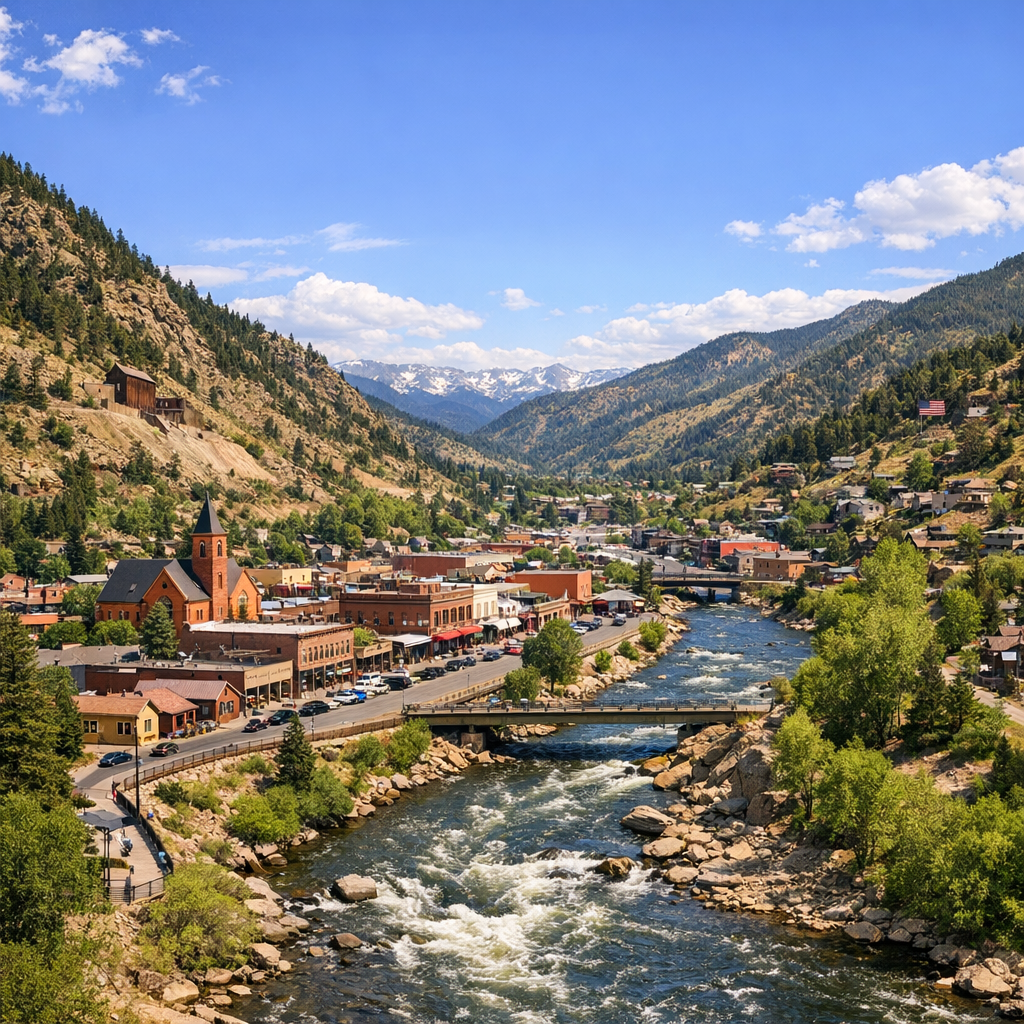
Idaho Springs, nestled in the Rocky Mountains of Colorado, experiences a humid continental climate characterized by moderately cold winters and warm summers with cool nights. The town receives an average annual snowfall of 72 inches (183 cm) and approximately 40 inches (1016 mm) of precipitation each year, with rainfall fairly evenly distributed throughout the year.
Despite its picturesque setting, Idaho Springs faces significant environmental challenges stemming from its mining history. The Argo Mine Superfund Site, encompassing a 400 square-mile area, has been a focal point for cleanup efforts due to contamination from heavy metals like lead, zinc, and arsenic. These pollutants have historically leached into Clear Creek, a vital water source for the community.
Cleanup initiatives have been ongoing for decades, with the Environmental Protection Agency (EPA) overseeing efforts to mitigate the environmental impact. While progress has been made, the site remains on the National Priorities List, indicating that further remediation is necessary.
Community responses to these efforts have been mixed. Many residents appreciate the improvements in water quality and the potential for increased tourism. However, concerns persist regarding the duration and cost of the cleanup, as well as the stigma associated with living near a Superfund site.
In addition to mining-related issues, Idaho Springs is susceptible to various geologic hazards, including rockfalls, landslides, and unstable slopes. The Colorado Geological Survey has mapped these hazards to inform residents and planners about potential risks.
Understanding the interplay between Idaho Springs’ climate and its environmental challenges is crucial for residents and visitors alike. Staying informed about weather patterns and ongoing environmental issues can help the community navigate these challenges effectively.