

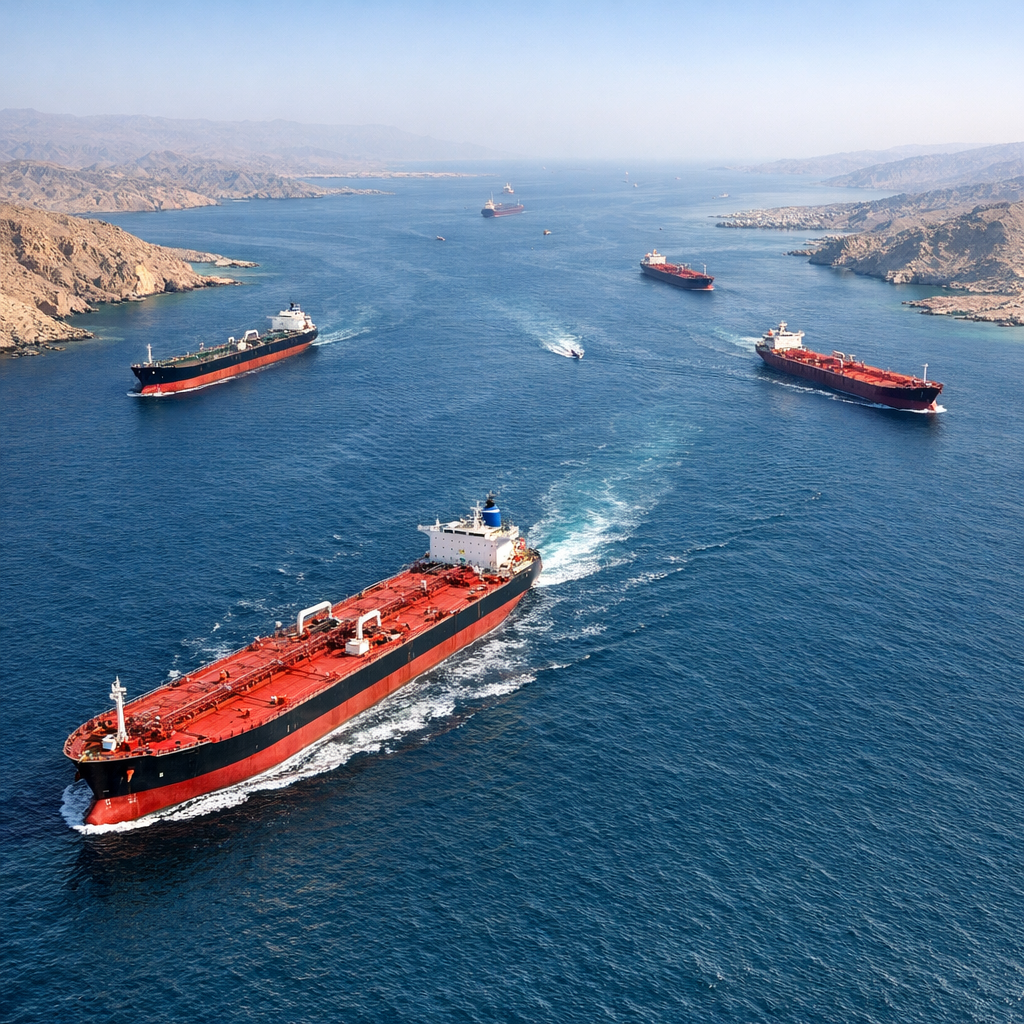
The Strait of Hormuz, a vital waterway through which a significant portion of the world’s oil passes, has once again become a focal point of international tension. Recent confrontations between the United States and Iran in this strategic corridor have raised concerns about global energy security and regional stability.
Background of the Conflict
Reports indicate that the U.S. and Iran were nearing an agreement to end their longstanding hostilities. However, recent military clashes over the Strait of Hormuz have disrupted these negotiations. This escalation is seen by some analysts as a result of the U.S. pursuing a containment strategy to pressure Iran into compromising on its positions. Others suggest that both nations are seeking greater leverage at the negotiating table through these tactical maneuvers.
Implications for Global Energy Markets
The Strait of Hormuz is a critical chokepoint for global oil shipments. Any disruption in this region can lead to significant fluctuations in oil prices, affecting economies worldwide. The recent standoff has already caused European shares to tumble, reflecting investor anxiety over potential economic slowdowns.
Local Perspective
While Idaho Springs, Colorado, is geographically distant from the Strait of Hormuz, the ripple effects of such international conflicts can reach our community. Fluctuating fuel prices can impact transportation costs, heating expenses, and overall economic stability. It’s essential for residents to stay informed about these global events, as they can have tangible effects on our daily lives.
Looking Ahead
The path to de-escalation remains uncertain. Both nations have vested interests in the region, and the deep-seated mistrust between them complicates diplomatic efforts. As the situation unfolds, it’s crucial for the international community to advocate for peaceful resolutions to prevent further instability.
Staying informed about international developments helps us understand the broader context of our interconnected world and prepares us to navigate the potential challenges that may arise from such conflicts.